Master the Art of Herbal Tinctures: A Beginner’s Guide to the Folk Method
Have you ever wanted to bottle the power of your garden? While herbal teas are wonderful, tinctures are the concentrated powerhouses of the herbal world. They are portable, potent, and—best of all—can last for years on your shelf.
If you’re new to the apothecary world, don’t let the word “tincture” intimidate you. We’re going to use the Folk Method: a time-honored, intuitive way to create medicine without needing a chemistry degree.
🌼 Choosing Your Botanical Stars
The quality of your tincture is only as good as the herbs you start with. When shopping for dried herbs, look for:
- Vibrant Color: Faded herbs mean faded potency.
- Strong Aroma: If it doesn’t smell like the plant, the essential oils are gone.
- Proper Storage: Herbs should be kept away from light and heat.
Perfect Beginner Herbs:
- Chamomile: Your go-to for a “deep breath” in a bottle.
- Peppermint: Excellent for soothing post-dinner tummy troubles.
- Lavender: The gold standard for relaxation and sleep support.
- Elderberry: A must-have for supporting the immune system during seasonal changes.
🧴 Essential Supplies
Before you begin, clear off a small space on your counter and gather:
- High-Quality Dried Herbs
- 80 to 100-Proof Alcohol: Vodka is preferred for its neutral taste and scent.
- Glass Jar with a Tight Lid: (Mason jars work perfectly!)
- Cheesecloth or a Fine Mesh Strainer
- Dark Glass Dropper Bottles: For long-term storage and easy dosing.
- Labels and a Permanent Marker: Trust us, you will forget what’s in the jar in three weeks.
🛠️ The Folk Method: Step-by-Step
This method relies on your senses and intuition rather than strict scales and measurements.
Step 1: Prep Your Jar
Fill your clean glass jar about 1/2 to 3/4 full with your dried herbs. Do not pack them down too tightly; they need room to “breathe” and expand as they soak.
Step 2: The “Menstruum” (The Liquid)
Pour your alcohol over the herbs until they are completely submerged. You want at least 1–2 inches of liquid sitting above the herb line.
Step 3: Seal and Shake
Tightly seal the lid. Give it a good shake to ensure every leaf and flower is saturated.
Step 4: The Dark Wait
Store your jar in a cool, dark place (like a kitchen cupboard) for 4–6 weeks.
Pro-Tip: Give your jar a gentle shake every few days. This helps the alcohol extract those medicinal properties more efficiently.
Step 5: The Strain
Place your cheesecloth over a clean bowl and pour the contents of the jar through. Squeeze the cloth firmly to get every last “medicinal drop” out of the herbs.
Step 6: Bottle and Label
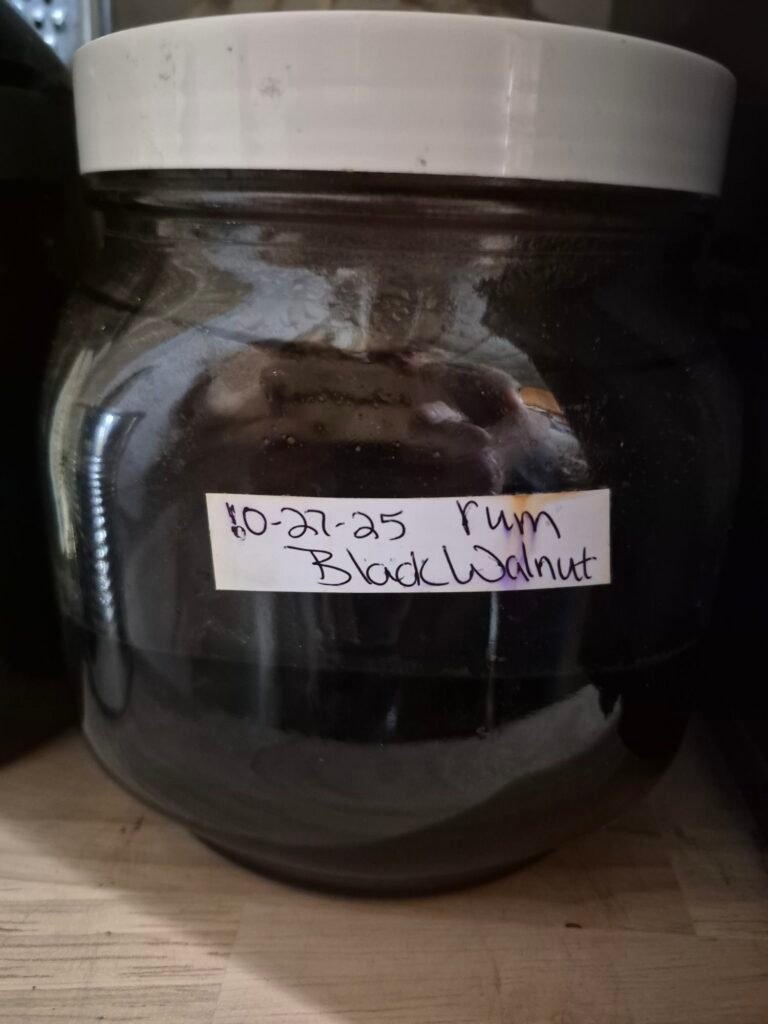
Transfer your liquid into dark glass bottles. Label them immediately with the Herb Name, the Date, and the Type of Alcohol used.
⏳ Shelf Life & Storage
When stored in a cool, dark place, an alcohol-based tincture can last 3–5 years. This makes them one of the most cost-effective ways to build a home medicine cabinet!
🛒 Start Your Home Apothecary
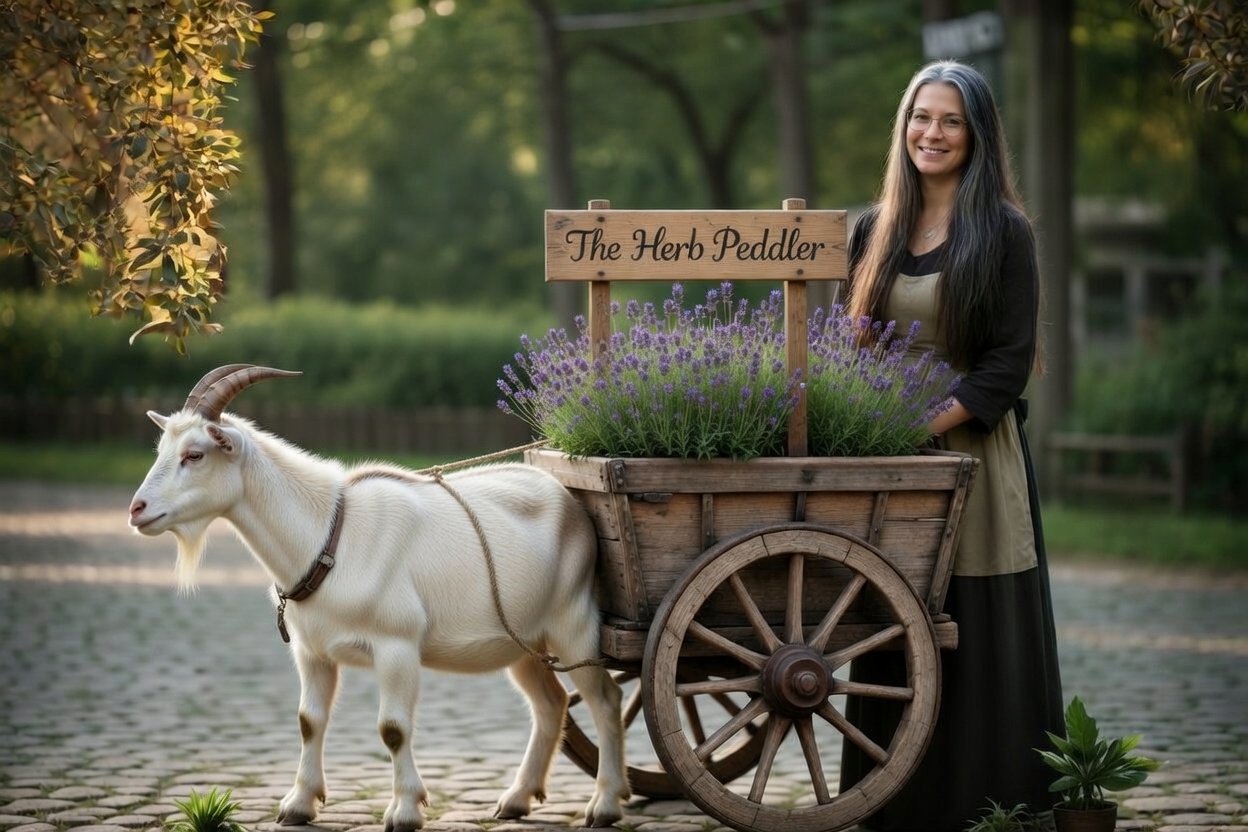
Ready to brew your first batch? At The Herb Peddler, we specialize in sourcing the highest-quality botanicals so your tinctures are as effective as they are beautiful.
Browse our collection of premium dried herbs here.
Building your own herbal collection is more than just a DIY project—it’s a step toward self-reliance and a deeper connection with the natural world.
❓ Frequently Asked Questions
Can I use fresh herbs instead of dried?
Yes, but with a caution! Fresh herbs contain water, which can lower the alcohol percentage and potentially cause spoilage. If using fresh plants, use a higher proof alcohol (at least 150–190 proof) and fill the jar to the very top with herbs before adding your liquid.
What is the best alcohol for tinctures?
For most dried herbs, an 80 to 100-proof vodka is ideal. It is shelf-stable, inexpensive, and has a neutral flavor that doesn’t overpower the herbs. For “woody” roots or fresh resins, a higher proof may be necessary.
How do I know if my tincture has gone bad?
Alcohol is a powerful preservative, so tinctures rarely “spoil” in the traditional sense. However, if you see mold growing on the surface (usually caused by herbs sticking out above the liquid line) or if it develops an “off” or rotten smell, it’s best to compost it and start over.
Does the type of jar matter?
While you can macerate (soak) your herbs in a clear Mason jar, you must store it in a dark cupboard. Light is the enemy of medicinal potency! For your final storage, we always recommend dark amber or cobalt glass bottles to protect the extract from UV rays.
How much of the tincture should I take?
Because every body and every herb is different, we recommend starting small—usually 1–2 dropperfuls (about 30–60 drops) in a small splash of water or juice. Always research the specific herb you are using for its unique dosing guidelines.