
Purple Dead Nettle
Price range: $4.25 through $7.50
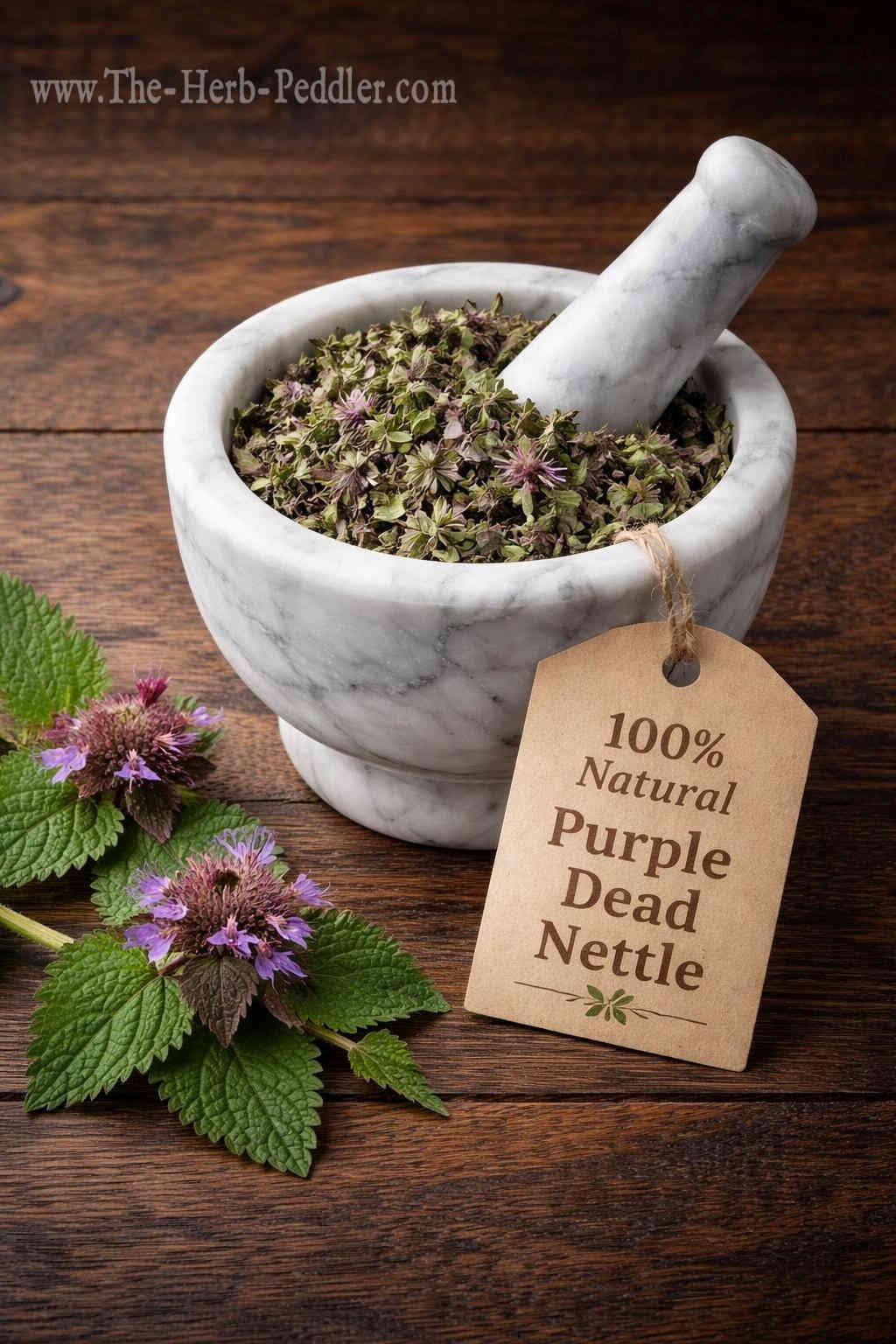
Purple Dead Nettle is a gentle spring tonic traditionally used for seasonal allergies, urinary discomfort, and as a nutritive green. Despite its name, it doesn’t sting—it’s a harmless, nourishing herb that appears in early spring.
Description
Botanical Name: Lamium purpureum
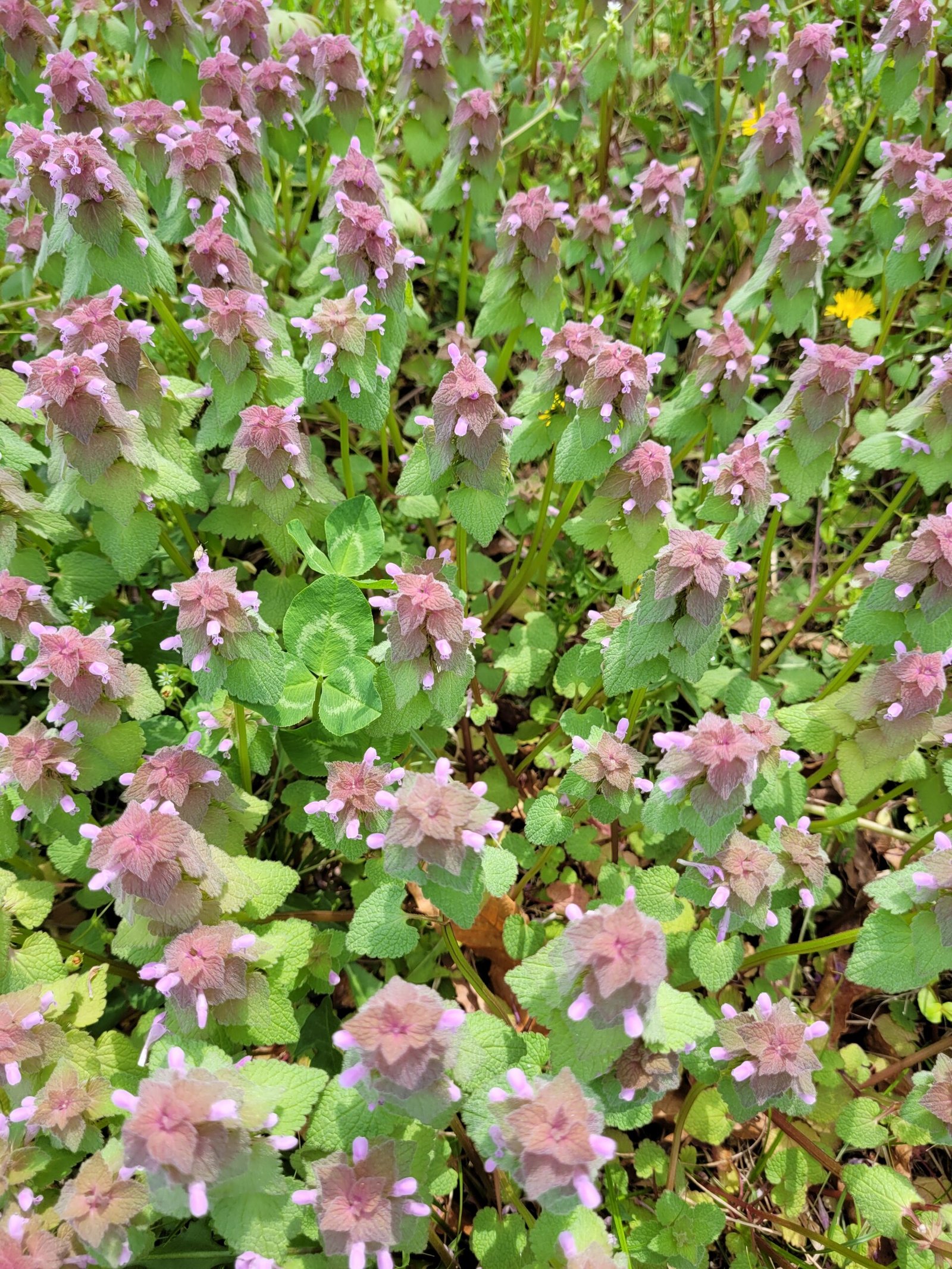
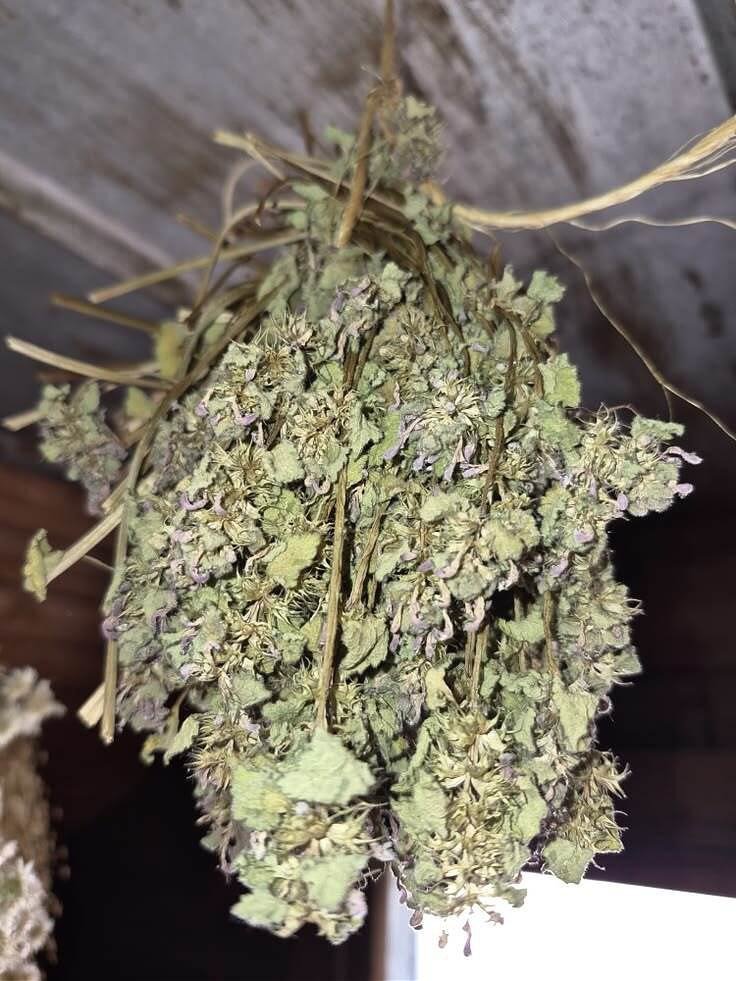
About This Herb: Our Purple Dead Nettle is wild crafted in early spring when the purple tops are most vibrant, then gently dried. This common “weed” with its delicate purple-pink flowers and soft, fuzzy leaves is one of the first plants to appear in spring—often peeking through snow. Despite its name, it doesn’t sting like its cousin stinging nettle; it’s completely harmless to touch. The “dead” in its name comes from the fact that it doesn’t sting, unlike the stinging nettle. It has been used for centuries as both food and medicine, particularly as a spring tonic to gently wake up the body after winter.
Traditional Uses: Purple Dead Nettle is primarily used for:
-
Seasonal allergies – Helps calm the body’s response to pollen and other allergens
-
Urinary comfort – Acts as a gentle astringent and diuretic for mild urinary discomfort
-
Spring cleansing – Traditionally eaten as a spring green to refresh and nourish the body after winter
-
Skin support – Used externally for minor skin irritations and inflammation
Like other spring greens, it’s nutritive and cleansing, rich in vitamins and minerals.
How to Prepare:
-
As a tea: Steep 1–2 teaspoons in hot water for 10–15 minutes. The mild, green flavor is pleasant and slightly sweet. Drink daily during allergy season or as a gentle spring tonic.
-
Fresh in salads: The tender young leaves can be eaten raw—they have a mild, slightly earthy flavor. (Our dried herb can be rehydrated.)
-
As a nourishing infusion: For a more concentrated tonic, steep 2 tablespoons in a quart of hot water overnight, strain, and drink throughout the day.
-
For skin: Make a strong tea, cool, and use as a wash or compress for minor skin irritations.
Safety & Considerations: Generally recognized as safe. If foraging yourself, harvest from clean areas away from roads and chemicals. Consult your healthcare provider before use, especially if managing a health condition or taking medication.
Additional information
| Weight | N/A |
|---|---|
| Dimensions | N/A |
| Size | 1/2 oz., 1 oz. |
| Container |
You must be logged in to post a review.
Related products
-
Tansy Herb – .5 oz
$4.25 Add to cart -
Ashwagandha Root
Price range: $4.25 through $7.50 Select options This product has multiple variants. The options may be chosen on the product page -
Feverfew Herb
Price range: $4.25 through $7.50 Select options This product has multiple variants. The options may be chosen on the product page -
Boneset Herb
Price range: $4.25 through $7.50 Select options This product has multiple variants. The options may be chosen on the product page
Reviews
There are no reviews yet.